

What is a Kimono?
A kimono is a traditional Japanese garment with T-shaped sleeves and a wrap-around design. It features straight seams and wide sleeves that hang gracefully from the shoulders.
You might confuse this iconic piece with a simple robe. However, it carries centuries of cultural significance and craftsmanship. The garment wraps left over right and secures with a sash called an obi. Traditional versions use silk fabric and intricate patterns that signal seasons, marital status, and social rank.
What Does “Kimono” Mean in Japanese?
The word literally translates to “thing to wear” in Japanese. It breaks down into ki (wear) and mono (thing).
This humble etymology reveals practical Japanese philosophy. Your ancestors named it simply. The term distinguished wearable items from other possessions. Today, the word carries global recognition. It represents an entire aesthetic philosophy beyond mere clothing.
What Is the History of the Kimono?
The kimono emerged during the Heian period (794–1185 CE) among Japanese aristocrats. It evolved from Chinese-influenced court dress into a distinctly Japanese art form.
Originally, people wore layered silk robes called junihitoe. These displayed wealth through color combinations. By the Edo period (1603–1868), the garment became standard wear for all social classes. Artisans developed resist-dyeing techniques like yuzen during this era. The Meiji Restoration (1868) brought Western fashion. The kimono then transformed from daily wear into ceremonial dress. Today, you see it at weddings, coming-of-age ceremonies, and summer festivals. Fashion designers worldwide now reinterpret these silhouettes for contemporary wardrobes.
What Are the Main Differences Between Traditional and Modern Kimono?
Traditional versions use silk, wool, or brocade with hand-sewn seams. Modern interpretations employ cotton, denim, and polyester blends for daily comfort.
You tie traditional pieces with a rigid obi requiring assistance. Contemporary styles often include pre-tied sashes or elastic waists. Authentic versions require specific undergarments called nagajuban. Modern cardigan styles skip these layers entirely. Traditional patterns follow strict seasonal rules—cherry blossoms for spring, maple leaves for autumn. Modern fashion ignores these conventions. You might wear florals in winter or geometric prints year-round. The price differs dramatically too. Authentic silk pieces cost thousands of dollars. Modern fashion kimonos range from twenty to two hundred dollars.
What Are the Different Types of Kimono?
You select kimono types based on occasion and sleeve length. Each serves specific cultural roles:
- Furisode: Long swinging sleeves signal unmarried women. You wear this for coming-of-age ceremonies.
- Tomesode: Short sleeves with family crests mark married women. Perfect for formal events and funerals.
- Houmongi: Flowing patterns across seams suit semi-formal visits. You choose this for tea ceremonies.
- Komon: Small all-over patterns create casual elegance. Ideal for everyday outings.
- Yukata: Lightweight cotton version for summer festivals. You tie this easily at hot springs.
Modern fashion adapts these silhouettes. You find shorter hemlines and simplified ties. Each type maintains the signature T-shape and wrap closure.
Is a Kimono a Dress, a Robe, or a Cardigan?
It functions as all three depending on fabric weight and styling choices. The traditional garment is technically a robe worn with underlayers.
You might confuse a sheer chiffon version with a cardigan. Denim interpretations resemble jacket-dress hybrids. The garment defies strict Western categories. It wraps like a robe. It layers like a cardigan. It drapes like a dress. Fashion retailers often label lightweight open-front styles as “kimono cardigans.” They reserve “kimono dress” for belted wrap dresses with sleeve details. Understanding this flexibility helps you shop smarter online.
Kimono vs Cardigan – What’s the real difference?
A cardigan typically buttons or zips at the front. Your kimono-style layering piece drapes open and secures with ties or belts.
Cardigans usually feature fitted sleeves. Kimono cuts offer drop-shoulder or butterfly sleeve constructions. The cuts create a more dramatic silhouette. Cardigans follow Western sizing conventions. Kimono-inspired pieces often use one-size-fits-all or free-size measurements. You wear cardigans for preppy or corporate looks. Kimono styling suggests bohemian, artistic, or cosmopolitan aesthetics. The fabric also differs. Cardigans traditionally use knit wool or cotton. Kimono variations employ woven rayon, silk blends, or structured denim.
What Do You Wear Under a Kimono?
Traditional dressing requires a nagajuban (under-kimono) and hadajuban (underwear). Modern fashion versions need only a slip or fitted tank top.
You must keep the undergarment collar visible at the neckline. This creates the layered kasane effect essential to traditional aesthetics. For contemporary cotton styles, you wear a camisole and leggings. Sheer fabrics demand nude underlayers or strategic bralettes. In Bangladeshi summer heat, moisture-wicking undergarments prevent sweat stains on delicate outer fabrics. Always choose smooth, seam-free underwear beneath fitted silk or satin versions.
Who Wears a Kimono Today?
Japanese citizens wear traditional versions for weddings, funerals, tea ceremonies, and summer festivals. Global fashion enthusiasts incorporate modern interpretations into daily wardrobes.
You see young Tokyo professionals wearing denim kimonos to brunch. Bangladeshi influencers style them over maxi dresses for Eid gatherings. The garment transcends age boundaries. Teenagers favor short, graphic-print versions. Mature women select elegant duster lengths for sophisticated layering. Even men embrace the trend through haori jackets and relaxed-fit robes. The democratization of this style makes it accessible regardless of your cultural background.
When Do People Wear a Kimono? (Traditional and Everyday Occasions)
Traditional occasions include Seijin no Hi (Coming of Age Day), weddings, and Obon festivals. Modern styling works for casual Fridays, beach cover-ups, and dinner dates.
You might don a formal silk version for academic convocations. Many Bangladeshi universities accept this as appropriate formal wear. For everyday use, lightweight cotton versions protect you from sun during rickshaw commutes. The open-front design creates airflow during humid monsoon seasons. Evening events allow for brocade or metallic-threaded statement pieces. You can transition from office to dinner by swapping flats for heels and adding statement earrings.
Can You Wear a Kimono in Winter in Bangladesh?
Yes, you can layer wool or brocade versions over turtlenecks and thermal leggings. The loose cut accommodates thick sweaters underneath.
You benefit from the robe-like construction during Dhaka’s brief cool months. The wrap style traps body heat effectively. Choose darker colors like navy, burgundy, or forest green. These absorb warmth and hide winter layering. Avoid lightweight chiffon or cotton during December through February. Instead, select quilted fabrics or heavy silk blends. Wear closed-toe boots rather than sandals. The lengthened hem covers your ankles, providing extra protection against morning fog.
How to Style a Kimono with Jeans or Over a Dress
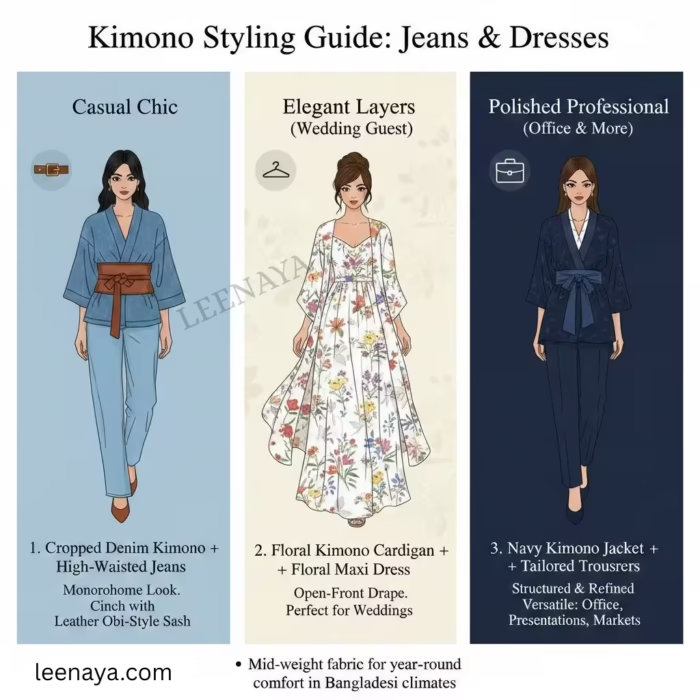
Pair a cropped denim version with high-waisted jeans for a monochrome look. Belt the waist with a leather obi-style sash to define your silhouette.
You can drape an open-front cardigan-style piece over a floral maxi dress. This creates elegant layers for wedding guest attire. For office wear, choose a structured navy kimono jacket over tailored trousers. Our Navy Kimono offers versatile styling for these scenarios. Its mid-weight fabric suits Bangladeshi climates year-round. Wear it loose for weekend markets. Cinch it with a wide belt for formal presentations. The classic navy shade pairs with jeans, white dresses, or vibrant Bangladeshi cotton prints equally well.
How to Care for Your Kimono (Washing & Storage Tips)
Hand-wash silk kimonos in cold water with mild detergent. You preserve delicate fibers this way. Always test colorfastness first on an inside seam.
Rinse cotton or polyester versions thoroughly. Hang them to dry in shaded areas. Direct sunlight fades vibrant patterns quickly. Avoid machine dryers—they shrink natural fabrics.
You store silk pieces flat in breathable cotton bags. Plastic traps moisture and breeds mildew in Bangladesh’s humid climate. Use acid-free tissue paper between folds.
Hang casual cardigan styles on padded hangers. These maintain wide shoulder shapes perfectly. Fold traditional wraps along original seam lines. Cedar blocks deter moths naturally.
Spot-clean stains immediately with cold water and cornstarch. Never rub silk surfaces. Professional dry cleaning suits formal brocade versions. You extend garment life through seasons with these habits.
Local fashion experts recommend breathable storage for Dhaka’s monsoon months. I once saved a client’s heirloom kimono from water damage using silica packets in cotton wraps.
Where to Buy Affordable Kimono Cardigans in Bangladesh
You can find reliable kimono cardigans at LEENAYA’s online store in Bangladesh. They craft pieces perfect for local lifestyles. It offers lightweight rayon comfort. It layers effortlessly over jeans, dresses, or salwar kameez. Breathable fabric suits Bangladesh’s humidity perfectly.
Priced at ৳790, it fits one-size-most South Asian figures. Free exchanges make sizing stress-free. Skip Gulshan boutiques—online delivers better fit guides. Visit leenaya.com/product/navy-kimono/ for details.
Customers love its wrinkle resistance and machine-wash ease. You get a versatile style that lasts through seasons.
Leave a comment